Mont Blanc Gear List
- Jul 19, 2015
- 3 min read

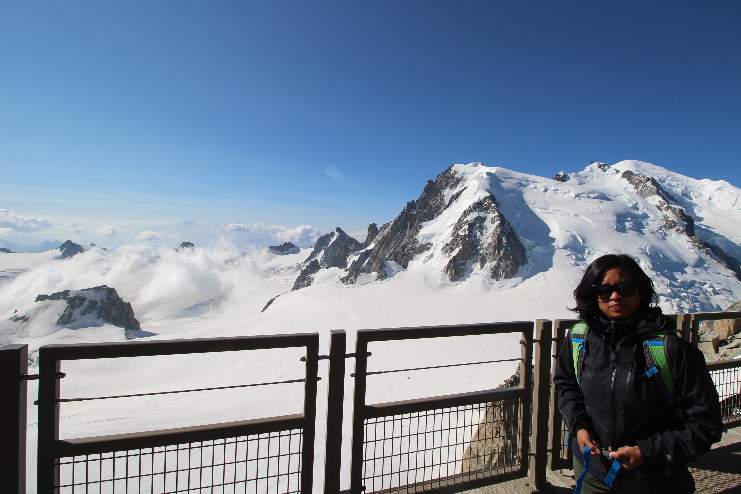
Even if you're just taking the cable car to Aiguille du Midi, it cannot be undermined that mother nature is still supreme and she will do with the weather what she will without consideration for how well prepared you are. We have played enough in the mountains to know that weather, especially at this altitude, changes dramatically without warning, and to have a comfortable and safe experience, one must have the right techncial gear and apparel to brave the elements.
It is not uncommon to see tourists in flipflops or metallic sneaker wedges on the mountain (insert major wince here) and I'd like to believe it's because they just don't know any better. So if you are considering an adventure up in Mont Blanc (or any mountain really), here's a simple gear list meant especially for those who are new at the outdoors who would like to be a bit prepared for the elements upon disembarking the lift.
In the outdoors, heavy and thick don't mean squat so leave your Michelin man jackets at home. The idea is to have multiple efficient and lightweight layers that are workhorse pieces.
1. Hiking Shoes
If nothing else, you should at least have some sturdy footwear with a good bottom grip. I would say tennis shoes are fine, but come on. You've gone so far as planning a trip to Mont Blanc. You should at least get a decent pair of hiking shoes. I wrote some hiking shoe shopping advice here.
2. Hiking Socks
Your shoes are only as good as your socks. No cotton please! Cotton absorbs moisture and doesn't dry quick. In my experience, it also causes chafing and blistering in your feet. I personally like wool, even in the summer. One of my most recent discoveries are Wright Socks with Cool Mesh like here.
3. A Wicking Layer
This layer wears snug to your body and would keep you warm and dry. In case you sweat, it should have properties that wick moisture off your body. In cold weather, if your clothes get wet and stay wet, it is no bueno. As a general rule, one must avoid cotton fabrics at all times. Wool, silk or synthetic are known to work well.
4. An Insulating Layer
It could be a lightweight fleece (like this First Ascent cloud fleece), but what this does is it provides you a warm layer from the bite of cold.
5. An Outer Shell
You need to weather-proof yourself so this should be preferably waterproof, windproof and lightweight. This is your first defense against whatever nature throws your way. This First Ascent waterproof jacket never left my pack in these two weeks. In the winter, I would pack a goose down lightweight jacket instead (Eddie Bauer has those, too).
6. All-Weather Pants
An all weather pant is one you can wear in the heat or cold. It will repel moisture so that rain, snow or sweat will evaporate quickly. No cotton or jeans, please! You want pants that won't restrict motion. I love these Eddie Bauer Travex Voyager II Pant (found here) because not only does it meet all the criteria above, it also has nice tapered legs that are not embarassing to wear off-trail.
7. Day Pack
You will have this on you the whole time, so a proper fit should not be underestimated. My two non-negotiables for a pack are a hip strap that work to carrry all that weight on your core instead of your shoulders, and a bladder pocket so you could do away with water bottles and instead sip water straight out of your bag. This Eddie Bauer First Ascent Bacon pack is so sweet. The Dutch and I didn't see the need to carry two packs, so we would take turns being the mule. It is versatile enough to fit my petite frame and his long Dutch one. It is light yet roomy enough to hold layers (for two people!) and the 10 essentials. You can find it (on sale!) here.



Disclosure: I collaborated with Eddie Bauer to outfit me on some of the adventures in this trip. However, you must know that I've already been a long-time fan of Eddie Bauer and would have taken their gear up on the mountain (as I already do) regardless.


Comments